





In Singapore, a Deed of Separation is a strategic legal bridge. It lets you formalise your split and protect your interests even when you are not ready to end the marriage officially. If you later decide to proceed, our Divorce and Family lawyer in Singapore can take you through the next steps.
Not Ready for Divorce? A Deed of Separation in Singapore Lets You Live Apart, Without Ending Your Marriage
A Deed of Separation in Singapore lets you and your spouse formalise your split, protect your HDB and finances, and set clear rules for your children, all without filing for Divorce.
858+ Google Reviews4.8 Google Rating20+ Years Experience
Get a legally binding arrangement that gives you clarity and protection from day one, with your case handled directly by the Principal Lawyer at Tembusu Law.
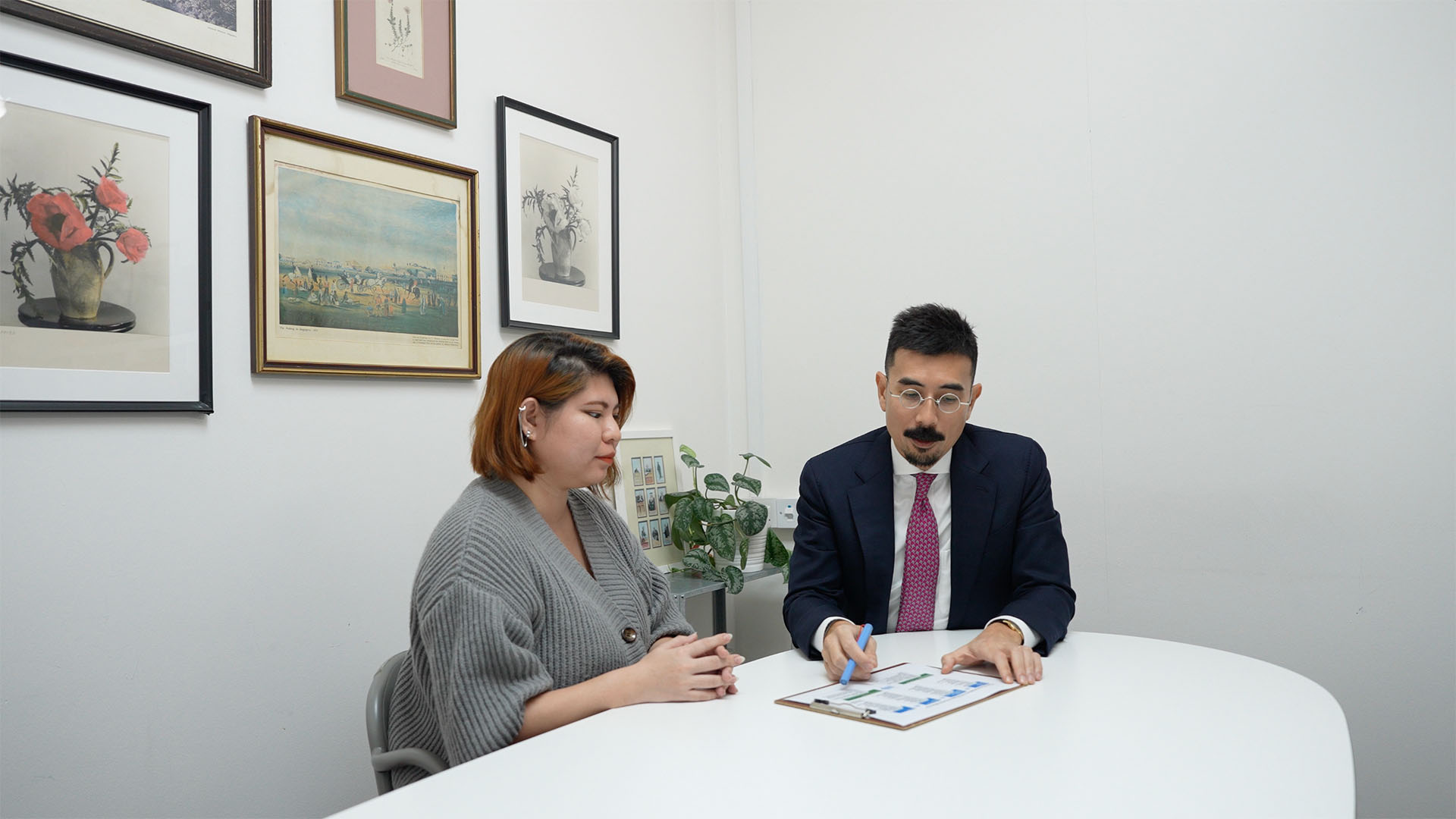
Think of a Deed of Separation as a formal “peace treaty” for your marriage. It is a private legal contract drafted by a lawyer and signed by both husband and wife.
This document is designed for couples who have decided to live apart but are not ready or eligible to file for a final Divorce. It provides you with immediate legal protection without the need to step into a courtroom.
Why is this document essential for your protection?
- Live Separate Lives: It officially records the date you started living apart, which is vital proof if you decide to apply for a Divorce later on.
- Stay Legally Married: You remain husband and wife in law, which can matter for religious reasons or for keeping certain insurance and benefits.
- A Binding Roadmap: It turns your verbal promises into a clear, written contract that covers the “Big Three” concerns that matter most:
- The Family Home: Who stays in the HDB or condo and who pays the mortgage.
- The Children: Clear rules on who the kids live with and when the other parent visits.
- The Finances: How much monthly maintenance is paid to support the family.
By signing a Deed of Separation in Singapore, you replace uncertainty with a clear, written plan. This prevents future misunderstandings and ensures that both parties know exactly where they stand from day one of the separation.
You Have Not Reached the Three-Year Mark to File for Divorce
Under the Women’s Charter, you generally cannot apply for a Divorce unless you have been married for at least three years. If you are in a younger marriage but need to live apart, this Deed is the professional way to formalise your legal rights and obligations during the waiting period.
You Need a Trial Period to See if the Marriage Can Be Saved
Sometimes a cooling-off period is what you need to see if the relationship can be repaired. A Deed of Separation in Singapore lets you live separate lives with clear boundaries, while keeping the door open for reconciliation without the pressure or finality of a Divorce.
You Want to Protect Your HDB Flat or Other Shared Assets
Property ownership in Singapore often comes with strict rules, such as the Minimum Occupation Period. A Deed of Separation can document who stays in the flat and who pays the mortgage. This helps you manage your home and other investments safely until you are ready to make a permanent decision.
You Have Personal or Religious Reasons Not to Divorce Yet
For many couples, the social or religious stigma of a Divorce is a real concern. A Deed of Separation lets you gain independence and live apart while keeping your matrimonial status intact, for as long as you feel it is necessary, with no need to explain the decision to anyone.
You Want to Avoid the Stress and High Costs of a Battle in Court
When both parties sign a Deed, they agree to terms privately rather than fighting in a public courtroom. This significantly reduces your legal fees and emotional stress by setting a clear roadmap that can make the eventual Divorce much faster and smoother.
You Want Stability for Your Children While You Decide
Children cope best with clear, consistent arrangements. A Deed sets out care, access, and maintenance in writing now, so your children keep a stable routine and a sense of normalcy while you and your spouse decide whether Divorce is the right next step.
While both a Deed of Separation and a Divorce deal with the end of a shared life, they serve very different legal purposes in Singapore.
The Status of Your Marriage
A Deed of Separation does not end your marriage. You remain legally husband and wife, which means you cannot remarry. This is often used as a middle ground for couples who want to live apart but are not yet ready for the finality of a Divorce. In contrast, a Divorce is a final order from the Court that legally dissolves the marriage and allows both parties to move on as single individuals.
The Level of Court Involvement
One of the biggest benefits of a Deed of Separation is that it is a private contract. You and your spouse agree on terms and sign the document in a law office without ever having to step into a courtroom. A Divorce, however, is a formal legal process that requires a judge to review your case and issue a Final Judgment before you are legally free.
Speed and Privacy
Because a Deed of Separation is a private agreement, it can often be drafted and signed within a matter of days. This keeps your personal affairs out of the public record. A Divorce is a more structured process that involves public filings and specific waiting periods, making it a longer and more visible transition for the whole family.
Preparation for the Future
Many couples use a Deed of Separation as a trial run for a Divorce. It allows you to test out living arrangements and Child Custody schedules to see if they work in the real world. If you eventually decide to proceed with a Divorce, the terms you have already followed in your Deed can often be used to show the Court that your arrangements are stable and fair.
A Deed of Separation is only as strong as the details inside it. To ensure your interests are fully protected before you ever face a judge in Court, your agreement should address these critical pillars of your life.
1. The Future of the Family Home
Property is often the most significant asset for Singaporean couples. Your agreement should clearly state how the HDB or private property will be handled.
- Which spouse may live in the property during the separation
- Who pays the monthly mortgage and conservancy charges
- The plan to sell or transfer the home after the Divorce
- How the sale proceeds will be divided between you
2. Financial Support and Maintenance
Financial support for the family is a legal obligation under the Women’s Charter. Clear financial terms prevent future disputes over money.
- The exact monthly maintenance for the wife and children
- The date each month the payment must be made
- Who covers extras like school fees and medical insurance
- How shared accounts and joint investments are split
3. Custody and Care of the Children
Stability is essential for your children during this transition. Your Deed should act as a clear roadmap for their daily lives.
- Who has day-to-day care and control of the children
- A schedule for when the other parent sees the children
- How major decisions on education and healthcare are made
- Rules for overseas travel and holiday arrangements
4. Protection of Personal Assets and Debts
You need to make sure your financial future is kept separate from your spouse’s debts and liabilities, both during the separation and afterwards.
- Personal assets that should stay in your sole ownership
- That debts taken on after separation are the individual’s own
- A confidentiality clause to keep your arrangements private
- Resolving future disputes through mediation, not Litigation
Get A Free Discovery Call
No obligation. Strictly confidential.
1
Private Consultation
We begin with a confidential meeting to understand your goals for your HDB, your finances, and your children, and how a Deed of Separation can protect you before any disputes reach a Court.
2
Custom Drafting
We draft a tailored agreement that follows Singapore legal standards. This document serves as your roadmap, clearly outlining who pays the mortgage and how your children are cared for.
3
Mutual Review
You and your spouse review the draft to ensure the terms are fair. We help facilitate professional discussions to reach an agreement privately, which is much faster than a legal battle in Court.
4
Formal Signing
Both parties sign the document in the presence of a lawyer to make it a legally binding contract. You receive a final copy for your records and immediate legal protection while living apart.
5
Future Readiness
You move forward with a clear written shield for your assets. If you decide to file for Divorce later, your Deed of Separation in Singapore serves as a foundation that makes the entire legal process significantly easier.

At Tembusu Law, we prioritise transparency and ensure that our fees reflect the specific level of legal protection you require.
A Deed of Separation in Singapore is typically one of the more affordable legal documents to prepare, especially compared to a full Divorce. The cost depends on the complexity of your situation, including the number of assets, whether children are involved, and how much negotiation is needed between both parties.
We always try to work within a budget that’s comfortable and fair for everyone. We can discuss and agree on this when we talk to you, and work out a feasible budget together, including via instalment payments if necessary.
Client Advantages
Why Singaporeans Trust Tembusu Law for a Deed of Separation in Singapore
From drafting to signing your Deed of Separation in Singapore, clients choose us for clear terms that protect their rights, finances and children.
858+ Google Reviews (4.8★)
Singapore’s most-reviewed law firm on Google. Real feedback from real clients who have faced what you are facing now.
Fixed Fees Agreed Upfront
Transparent fixed fees with the full quote in writing before you commit. No hourly billing and no surprise invoices.
Handled by the Principal Lawyer
Your case is handled directly by Jonathan Wong from the first call through to the final outcome, with no hand-offs to junior associates.
20+ Years of Experience
More than two decades advising clients in Divorce and Family Law matters across the State Courts and the High Court.
Direct WhatsApp Access
Message your lawyer on WhatsApp the same day. Fast responses with coordinated team support, so urgent questions never sit in an inbox for days.
1,000+ Legal Videos
Legal Tings on TikTok, followed by thousands of people learning about Singapore law. Learn how it works before you ever hire us.
Who You’ll Work With
Jonathan Wong20+ Years Experience
Founder & Principal Lawyer
With more than 20 years of experience in Criminal Defence and Divorce matters, Jonathan also founded LawGuide Singapore, a public legal information platform created to help people better understand their legal rights and options.
His work has focused not only on legal representation, but on improving public access to legal information, and has been recognised by national media and the legal community.
Message Jonathan on WhatsAppLegal Process
How We Work
1
Case Review
We gather the key facts, documents, and background of your case.
2
Legal Assessment
A detailed review of the facts, the evidence, and the legal issues at stake.
3
Strategy & Planning
We build a clear legal strategy aligned with your goals and priorities.
4
Representation
Negotiation, mediation, or representation in Court on your behalf at every stage.
5
Case Management
Ongoing updates and proactive handling of filings, deadlines, and logistics.
Engagement Process
How To Get Started
A simple three-step process to get started quickly.
1
Free 10-Minute Discovery Call
A quick call to understand your situation and see how we can help.
2
Strategy Session (Optional)
We review your situation, explain your options, and outline the best strategy.
3
Fixed-Fee Engagement
Clear pricing agreed upfront. Your case handled directly by Principal Lawyer.
Get A Free Discovery Call
No obligation. Strictly confidential.
I want to express my sincere gratitude for the invaluable advice and support your firm has provided regarding my case. Your expertise and attention to detail have made a significant difference in my understanding of the complexities involved. I truly appreciate the time and effort you dedicated to addressing my concerns, and I feel much more confident moving forward thanks to your guidance. Thank you for being such a reliable partner during this challenging time.

Was just surfing for free legal advice and out pops a message from Tembusu Law LLC. Got an immediate whats app text from Jonathan, which was very impressive. I didn’t expect someone to contact me in such a short time for free advice. Jonathan asked a few questions about my case and I feedback to him whatever was relevant. After a few days, Jonathan gave me a legal firm contact that is suitable to handle my case. In fact, he said to just wait for the legal firm to call me. He mentioned short consultation should be free and fees will only apply once the lawyer thinks I have a good case to put up.

Fantastic service and an organization with a big heart. A big shout out to Jonathan who helped me so much in emotional support as well as good useful advise. Jonathan went out of his way to check-in with me and cared for our family. Highly recommended!

Received excellent and prompt service from Jonathan. He was very helpful in guiding me to available resources and followed up consistently. Thank you Jonathan.

I reached out to Jonathan seeking for advice and he was helpful and incredibly detailed. He even followed up on my case and took a call on Sunday to go through my case with me.

I was very impressed with the attentiveness to detail and the comprehensive approach to address my concerns. Jonathan shows a genuine desire to help people with legal issues, he is professional, empathetic and respectful. I would certainly recommend him.

Had a free consultation on Divorce matter and child matters with Jonathan and thank you for his precious time. Came direct to the point and provided some useful suggestions for my necessary action. Highly recommended to approach his service if needed to as i am sure he will be able to tap on his expertise for any family law matters.

Jonathan was prompt in his reply, requested as much info as possible for his review so that he could offer appropriate advice. His approach was transparent and he was not pushy at all. He gave me the option to think it over before I actually decide whether to engage his service. Thank you very much, Jonathan, for being so understanding.

The first step toward keeping your home, protecting your children, and preparing for a potential Divorce with confidence is just one call away. Start with a free 10-minute discovery call to review your situation and explain your options.
No obligation. Strictly confidential.
Featured On















Legal Resources
Still Weighing Your Options?
Serious clients do their research first. Our Family Law guides help you understand the process, the costs, and the decisions ahead, so you arrive at any conversation fully informed.
Browse Family Law Guides
Singapore Family Law: Premium Legal Guides
Straightforward guides on how Divorce and family disputes work in Singapore, from filing through to resolution, without the legalese.
- Contested vs uncontested Divorce - what's the difference
- How the division of Matrimonial Assets is calculated
- Child custody, care & control, and access arrangements
- Spousal and Child Maintenance - how Courts decide
- How long the Divorce process actually takes
- What happens if your spouse is uncooperative